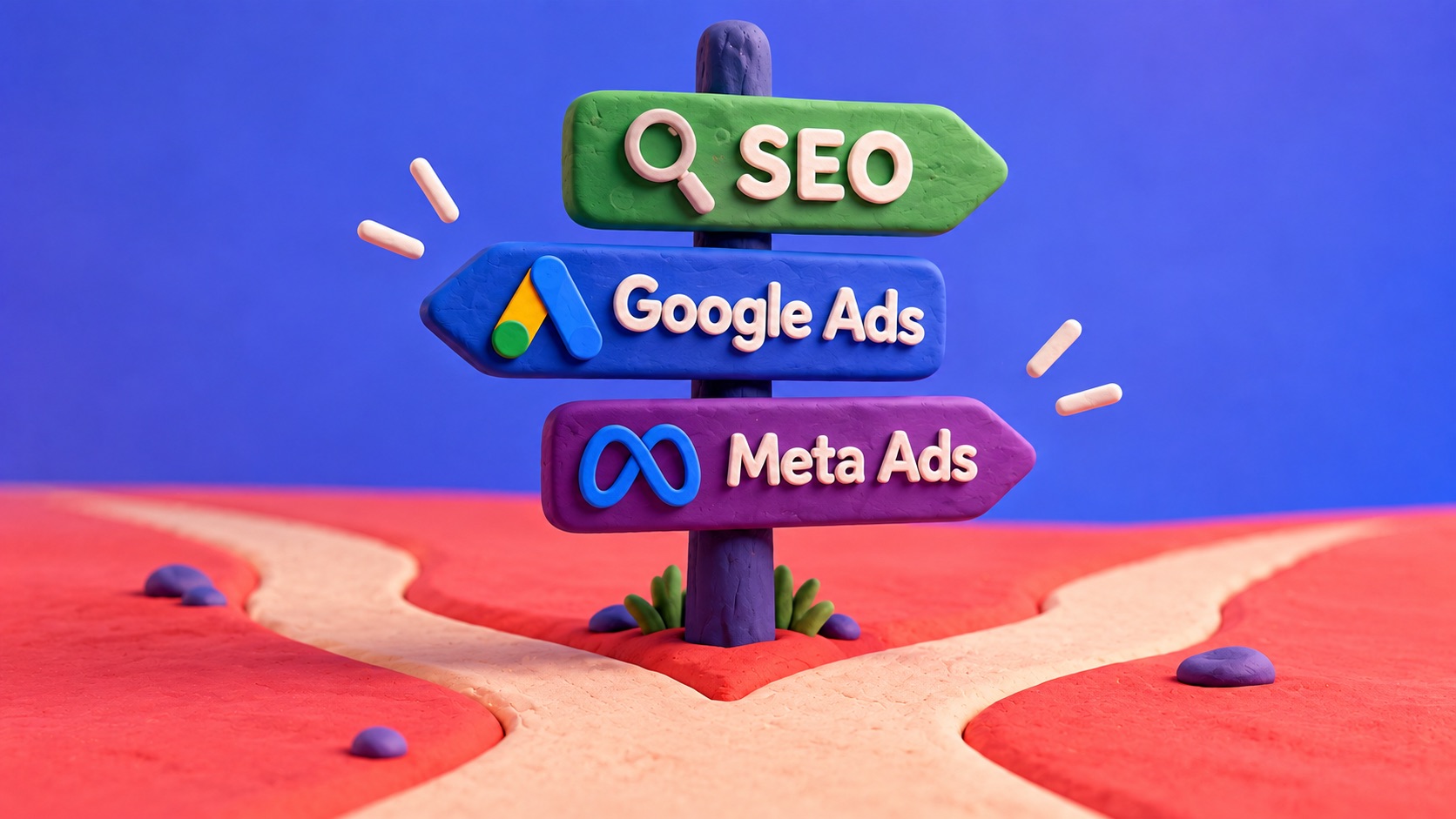
PPC is the everyday shorthand marketers reach for when discussing paid ad performance internally, covering platforms like Google Ads and social ad managers where cost is tied directly to clicks rather than impressions. Budgets in a PPC account are typically managed daily or weekly, with bids and keywords adjusted continuously in response to performance rather than set once and left alone for a whole quarter. Because spend can add up quickly without close monitoring, PPC campaigns are usually reviewed far more frequently than slower-moving channels like organic content or email.
Examples of PPC:
A dentist running PPC ads on Google might pay around six dollars every time someone clicks their listing for “teeth whitening near me,” regardless of whether that click turns into an appointment.
E-commerce brands like Warby Parker rely on this kind of paid clicking to drive immediate traffic to new product pages, complementing the slower, longer-term gains from organic search.
Small businesses often start with a modest daily budget of just ten dollars on Google Ads, testing which keywords convert before committing to a larger monthly spend.