After auditing more than 500 websites over 12 years, one thing stands out: most SEO problems aren’t advanced or mysterious. They’re basic, repeated mistakes. These lessons come from real audits across industries and site sizes, and they focus on what actually moves rankings.
1. Technical SEO Comes First
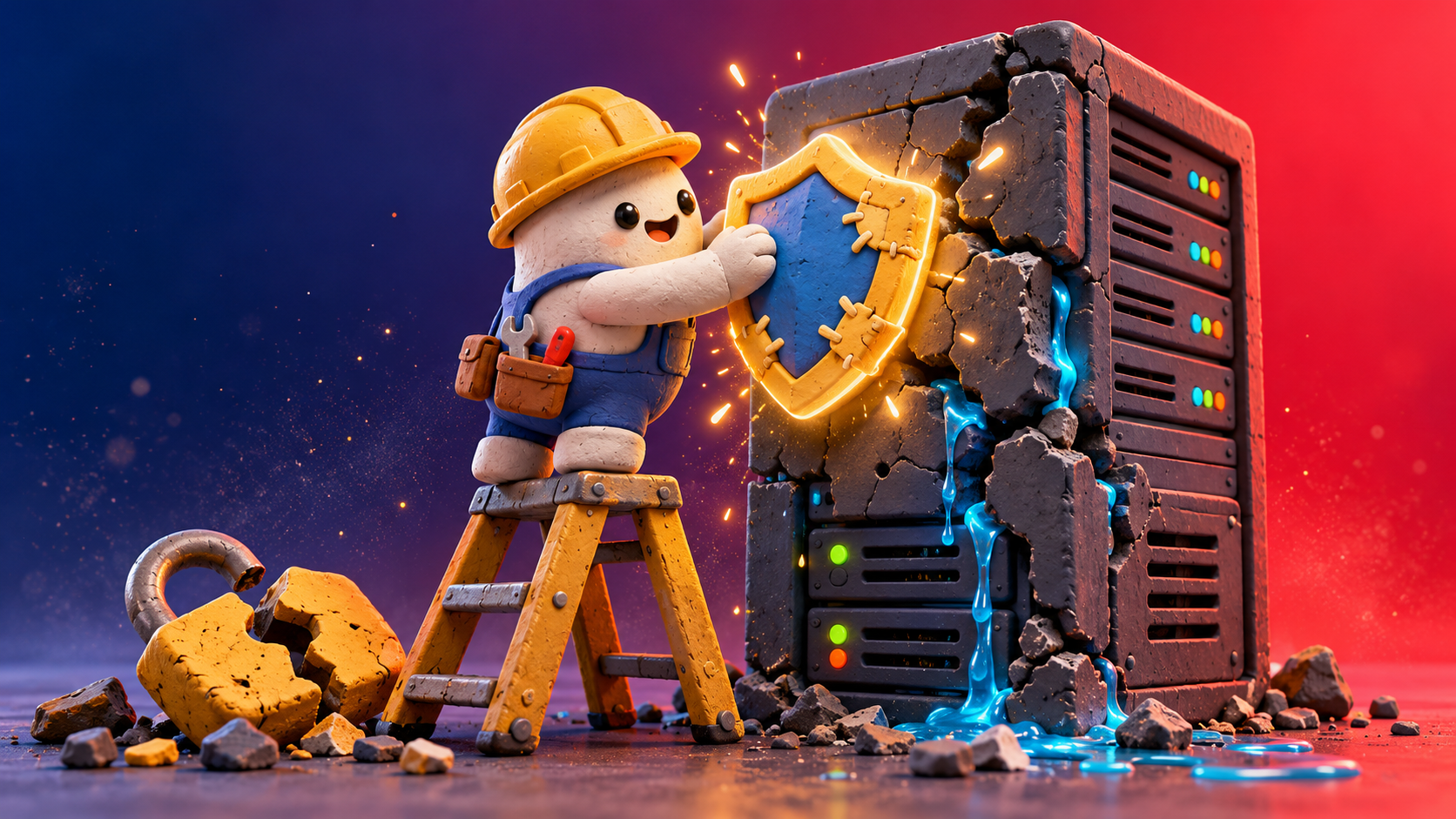
If search engines can’t crawl or index your site, nothing else matters. Always start SEO by confirming that important pages are accessible, indexable, and not blocked. Tools like Google Search Console and Bing Webmaster Tools should be your first point of contact.
2. JavaScript Breaks SEO More Than People Realize
JavaScript can hide content from search engines if it’s not executed carefully. If key content isn’t visible in the initial HTML, Google may never index it. Always test rendered pages and prioritize server-side rendering when possible.
3. Crawl Budget Only Matters for Very Large Sites
Unless your site has hundreds of thousands of pages, crawl budget isn’t your problem. For massive sites, however, wasted crawls on low-value URLs can block important pages from getting indexed.
4. Log Files Reveal What Tools Miss
Log file analysis shows exactly how bots crawl your site. It helps uncover wasted crawl activity, blocked pages, or indexing inefficiencies, especially on large or complex websites.
5. Core Web Vitals Are Overhyped
Chasing perfect scores rarely improves rankings. Speed only matters when performance is terrible. Most sites secure better SEO results by focusing on content, structure, and relevance instead.
6. Schema Helps Google Trust You
Structured data clarifies what your content means. It helps search engines understand context, relationships, and credibility, and can unlock rich results without changing visible content.
7. Keyword Research and Mapping Drive Strategy
SEO fails without direction. Keyword research shows how people actually search, and keyword mapping gives each page a clear purpose. Every indexable page should target a defined keyword.
8. On-Page SEO Does Most of the Work
Titles, headers, content, internal links, and metadata drive the majority of SEO results. Yet most sites never optimize them correctly. Get the basics right before chasing advanced tactics.
9. Internal Links Are a Hidden Advantage
Internal links shape how Google understands your site. Clear, descriptive anchor text and logical linking can boost weak pages and strengthen topical relevance, often more effectively than backlinks.
10. Backlinks Aren’t a Fix-All
Links only help after the fundamentals are solid. Many sites build links to cover up weak content, poor structure, or bad targeting. Strategic links beat volume every time.
11. Tools Don’t Replace Human Judgment
SEO tools are helpful, but they lack context. Always validate tool warnings manually. Many “critical errors” don’t matter, while real issues often go unnoticed by automation.
Final Takeaway
The biggest SEO problem isn’t technical complexity, it’s lack of focus. Sites fail because they skip fundamentals, follow trends blindly, or never set clear priorities. SEO works best when it’s strategic, intentional, and reviewed with human judgment. Tools and AI help, but experience and common sense still win.